Sea of Thieves
Sea of Thieves on PC — performance tuning for stable frame times
This guide focuses on Sea of Thieves for PC players who want cleaner decisions, not buzzwords. We cover performance tuning for stable frame times, patch habits, and the fundamentals that survive every season.
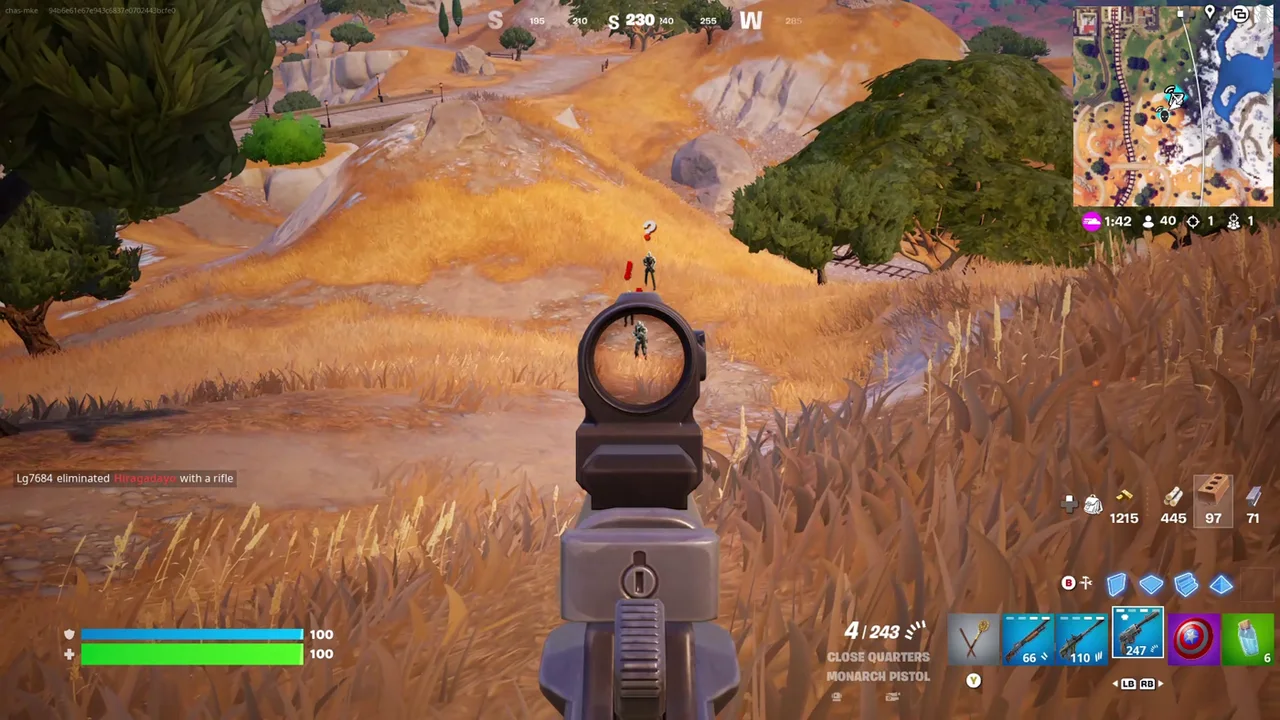
What Sea of Thieves players optimize first on Windows PC
Sea of Thieves rewards players who treat information as a resource. Before you chase highlight clips, stabilize your settings, audio mix, and keybinds so you can repeat good decisions under pressure.
Most frustration in Sea of Thieves comes from unclear goals — dropping hot for XP, forcing third parties, or chasing loot outside your kit. Pick one objective per session and measure success against that instead of raw eliminations.
performance tuning for stable frame times in Sea of Thieves
For Sea of Thieves, performance tuning for stable frame times starts with honest review. Save a few deaths each session and note positioning errors instead of blaming bloom or desync.
Queue with a plan: where you land or spawn, when you rotate, and what win condition you abandon when the lobby spikes. Sea of Thieves lobbies snowball quickly when teams hesitate mid-rotation.
If you play Sea of Thieves on Windows PC, keep drivers updated and cap background overlays. Stutter during peek fights costs more ELO or loot than a slightly lower graphics preset.
Staying current after Sea of Thieves patches
Sea of Thieves patches can rewrite recoil, spawns, and damage falloff overnight. After updates, run a private range or training mode pass before ranked games return.
Build a short checklist: read patch highlights, test your main loadout, and re-verify sensitivity. Ten minutes of structured testing beats an hour of frustrated queuing.
For more game updates, guides, and related resources, you can also explore this resource.